

Logo Logo
Logo Logo

Home / Blog

Why Rented Attention Stops Working Overnight

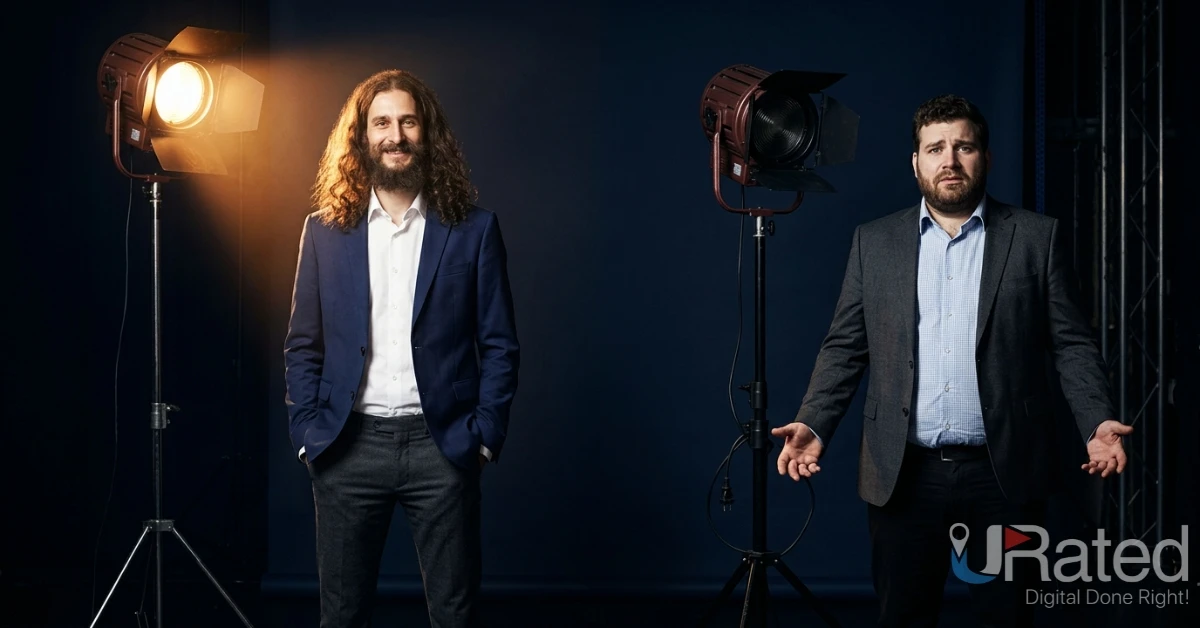
Every dollar spent on ads buys attention you don't own. The moment the budget stops, so does the visibility, the traffic, and the leads. Rented attention doesn't build anything, it just rents a spotlight, and spotlights turn off the second you stop paying rent.

URated Marketing Team

6 min. read
Listen this blog
0:00 0:00

Transform Your

Online Impact

URated drives traffic, leads, and sales with cutting-edge digital marketing strategies.

What "Rented Attention" Actually Means

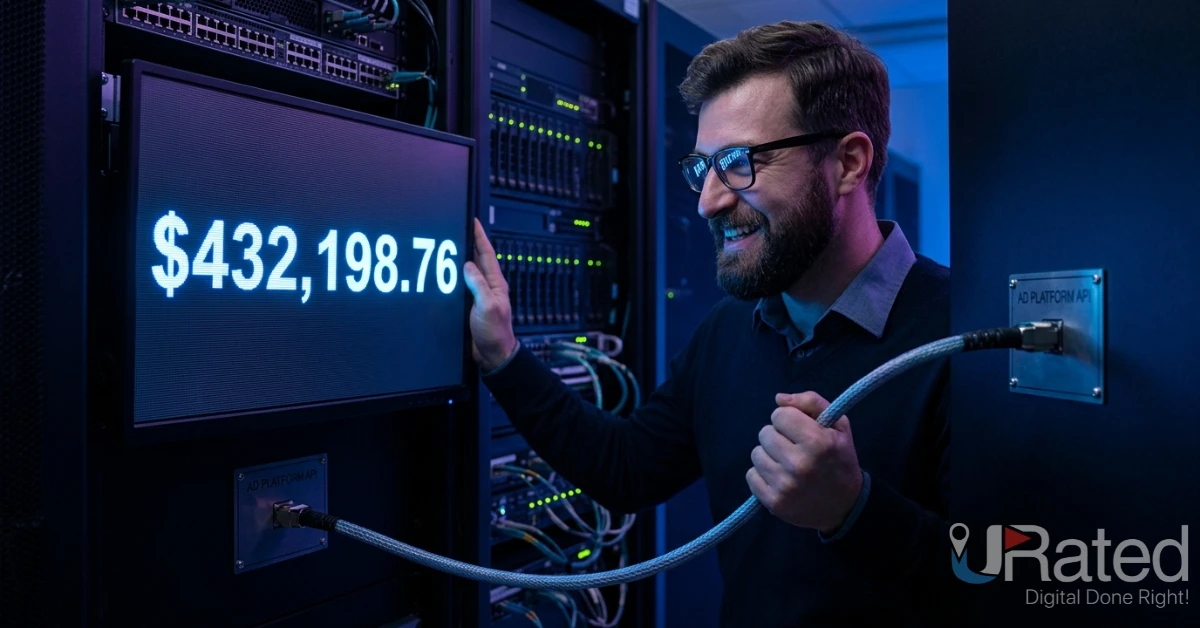
Rented attention is any visibility you don't control, paid search, paid social, sponsored placements. You're borrowing someone else's audience for as long as you keep paying. Turn the campaign off, and the audience walks away with the platform, not with you.

This isn't a flaw in the system, it's the business model. Ad platforms are built to require continuous spend for continuous results. That's not a bug you can optimize around. It's the entire point.
Why It Collapses Overnight

Owned visibility, like search rankings, brand authority, and organic reach, builds gradually and decays slowly. Rented attention does the opposite: it appears instantly and disappears just as fast. There's no ramp-down, no grace period. Pause the budget on a Tuesday, and by Wednesday you're invisible to the audience that saw you Monday.

That cliff-edge drop is what makes rented attention so financially fragile. A business running entirely on paid visibility has zero cushion the moment cash flow tightens, priorities shift, or a platform changes its algorithm overnight, something that happens more often than most advertisers realize.

The Cost Nobody Tracks

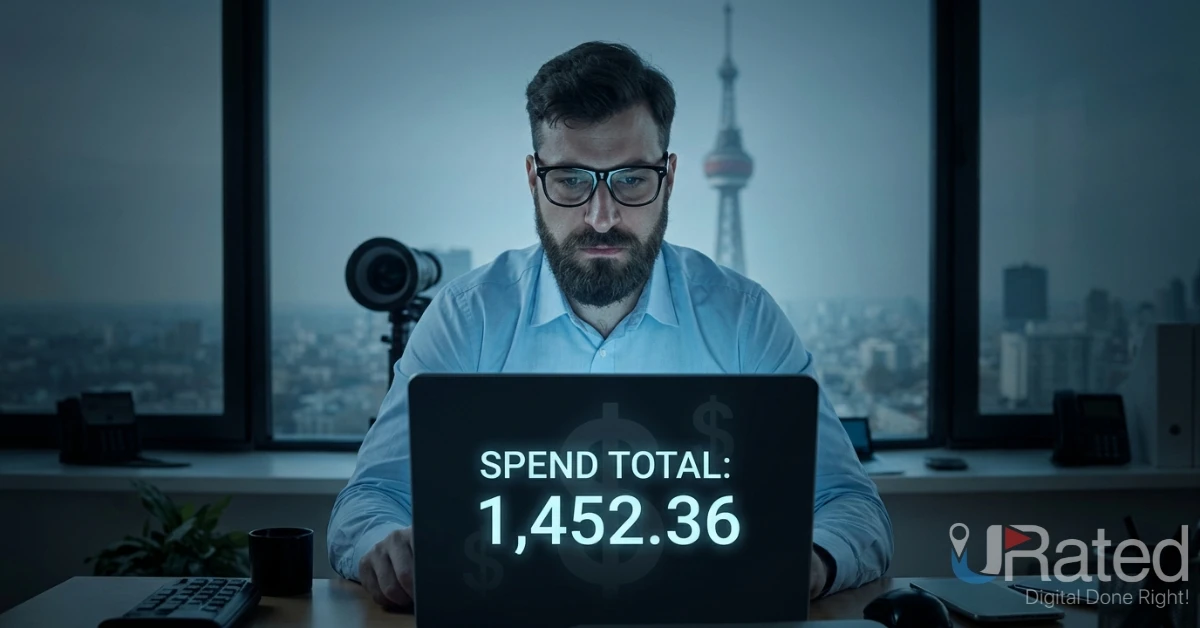
The real cost of rented attention isn't the ad spend, it's the zero you're left holding once it stops. Every dollar poured into paid visibility with no owned asset behind it evaporates completely when the campaign ends. Compare that to content, SEO, or brand authority: those assets keep generating value long after the work that built them is done.

Businesses that only rent attention are essentially renting their entire customer pipeline. Miss a payment, lose the pipeline. That's not a growth strategy, it's a subscription to relevance.
What Owned Visibility Looks Like Instead

Owned visibility means your business shows up because buyers are actively looking for you, not because you paid to interrupt them. That's search rankings earned through relevance, a reputation built through reviews and authority, and a presence across the platforms where your buyers already compare their options.

It's slower to build than a paid campaign. It's also the only kind of visibility that survives a paused budget, a platform policy change, or a quiet month. Demand generation built this way compounds instead of resetting, every month adds to what already exists instead of starting from zero.

FAQs

What is "rented attention" in marketing? Rented attention is visibility you pay for continuously, like paid ads or sponsored placements, that disappears the moment spending stops. It's borrowed, not built, and comes with no lasting value once the budget ends.

Why does paid advertising stop working immediately after you pause it? Paid platforms only display your business while you're actively paying for placement. There's no residual visibility carried over, so traffic and leads drop to near zero within days of pausing spend.

What's the alternative to relying on paid ads for leads? Owned demand generation, built through SEO, content, and brand authority, creates visibility that persists without continuous ad spend. It takes longer to build but compounds over time instead of resetting every month.

Does owned visibility ever fully replace paid advertising? Not usually, most businesses use paid ads to fill short-term gaps while owned visibility builds in the background. The goal isn't eliminating paid spend, it's not being entirely dependent on it.


What to read next

Home  >  Blog • 6 min. read

Why Rented Attention Stops Working Overnight

Team Logo
URated Marketing Team
Last Update Sep 24, 2026

Every dollar spent on ads buys attention you don't own. The moment the budget stops, so does the visibility, the traffic, and the leads. Rented attention doesn't build anything, it just rents a spotlight, and spotlights turn off the second you stop paying rent.

Email Email Hover Facebook Facebook Hover Copy Link Copy Link Hover
Listen this blog
0:00 0:00

What "Rented Attention" Actually Means

Rented attention is any visibility you don't control, paid search, paid social, sponsored placements. You're borrowing someone else's audience for as long as you keep paying. Turn the campaign off, and the audience walks away with the platform, not with you.

This isn't a flaw in the system, it's the business model. Ad platforms are built to require continuous spend for continuous results. That's not a bug you can optimize around. It's the entire point.

Why It Collapses Overnight

Owned visibility, like search rankings, brand authority, and organic reach, builds gradually and decays slowly. Rented attention does the opposite: it appears instantly and disappears just as fast. There's no ramp-down, no grace period. Pause the budget on a Tuesday, and by Wednesday you're invisible to the audience that saw you Monday.

That cliff-edge drop is what makes rented attention so financially fragile. A business running entirely on paid visibility has zero cushion the moment cash flow tightens, priorities shift, or a platform changes its algorithm overnight, something that happens more often than most advertisers realize.

The Cost Nobody Tracks

The real cost of rented attention isn't the ad spend, it's the zero you're left holding once it stops. Every dollar poured into paid visibility with no owned asset behind it evaporates completely when the campaign ends. Compare that to content, SEO, or brand authority: those assets keep generating value long after the work that built them is done.

Businesses that only rent attention are essentially renting their entire customer pipeline. Miss a payment, lose the pipeline. That's not a growth strategy, it's a subscription to relevance.

What Owned Visibility Looks Like Instead

Owned visibility means your business shows up because buyers are actively looking for you, not because you paid to interrupt them. That's search rankings earned through relevance, a reputation built through reviews and authority, and a presence across the platforms where your buyers already compare their options.

It's slower to build than a paid campaign. It's also the only kind of visibility that survives a paused budget, a platform policy change, or a quiet month. Demand generation built this way compounds instead of resetting, every month adds to what already exists instead of starting from zero.

FAQs

What is "rented attention" in marketing? Rented attention is visibility you pay for continuously, like paid ads or sponsored placements, that disappears the moment spending stops. It's borrowed, not built, and comes with no lasting value once the budget ends.

Why does paid advertising stop working immediately after you pause it? Paid platforms only display your business while you're actively paying for placement. There's no residual visibility carried over, so traffic and leads drop to near zero within days of pausing spend.

What's the alternative to relying on paid ads for leads? Owned demand generation, built through SEO, content, and brand authority, creates visibility that persists without continuous ad spend. It takes longer to build but compounds over time instead of resetting every month.

Does owned visibility ever fully replace paid advertising? Not usually, most businesses use paid ads to fill short-term gaps while owned visibility builds in the background. The goal isn't eliminating paid spend, it's not being entirely dependent on it.


Transform Your
Online Impact

URated drives traffic, leads, and sales with cutting-edge digital marketing strategies.


What to read next
Slow Website Optimization: Every Second Costs You Customers
Read More
Stop Working Harder. Fix the System Instead
Read More
The Product Isn’t the Advantage. Demand Is.
Read More